

Wooden Floor Pack for Log Cabins 26mm 1.62 m ²
- Product number
- P176450
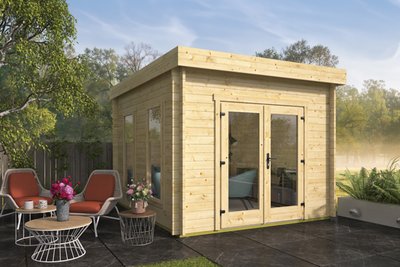
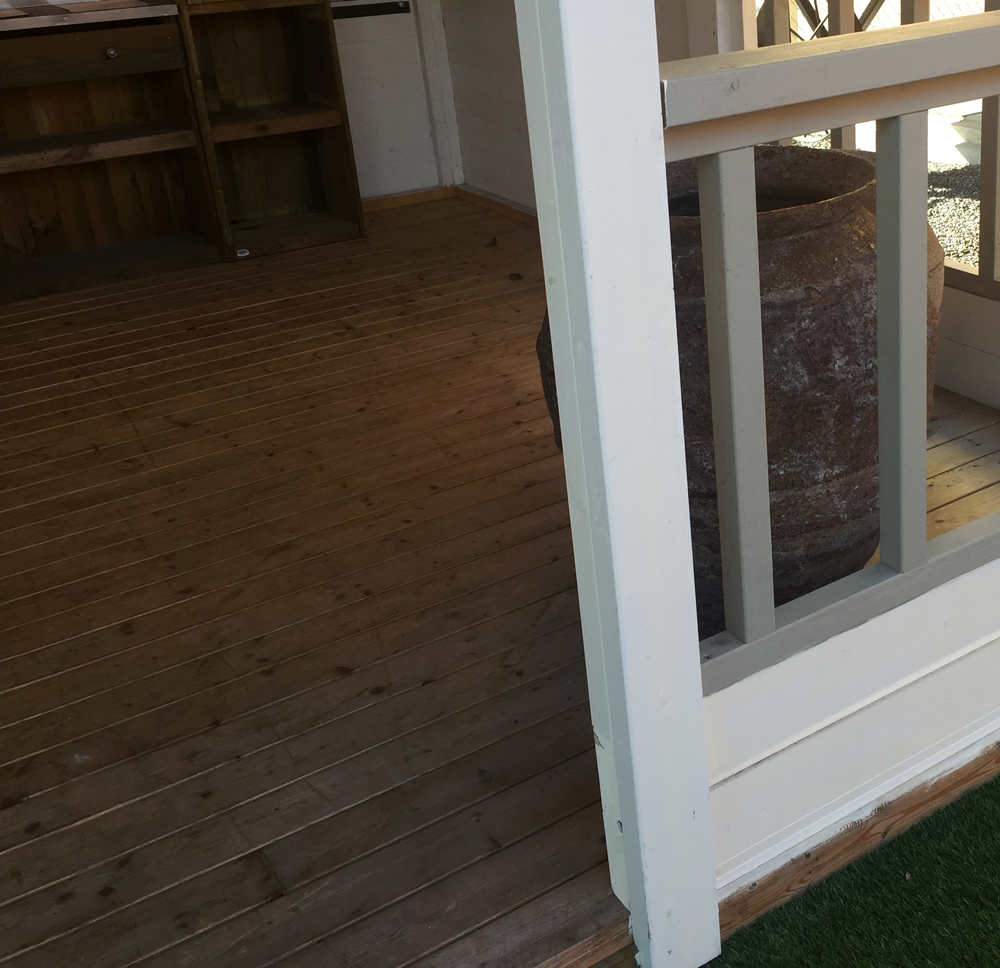
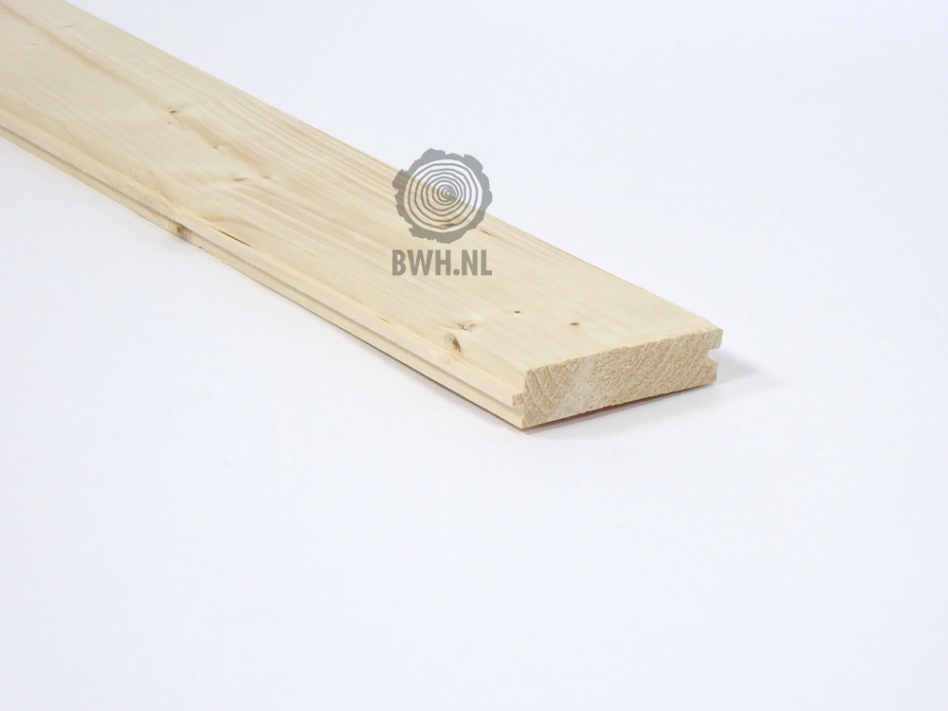
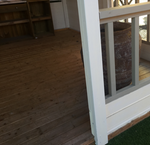
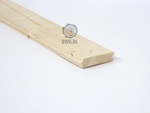
- Our wooden floor packs are created from tongue and groove spruce timber to provide you with a durable, long-lasting and stylish finish for your log cabin. Available in either 18mm timber or 26mm for heavier use, these floor packs are suitable for any log cabin regardless of manufacturer.
£70.45
- 10 year timber guarantee *
- Unbeatable Industry Knowledge
- Free delivery to most UK homes *
Specifications
- Material
- Wood
- Colour
- Natural
- Thickness
- 2,6 cm
Wooden Floor Pack for Log Cabins 26mm 1.62 m ²
Tongue and groove flooring for log cabins
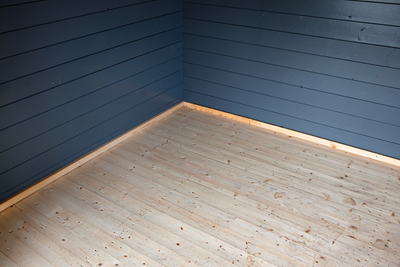
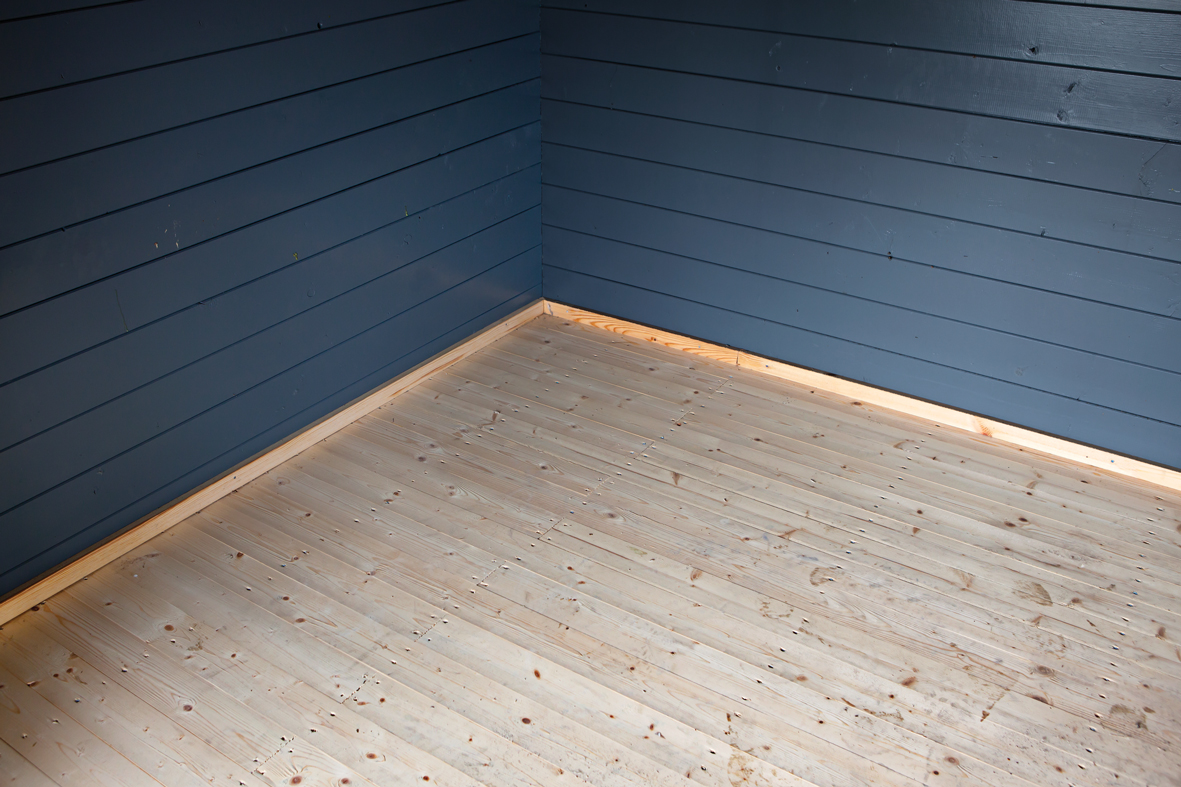
Our wooden log cabin floor pack offers a premium finish that completes your garden building and provides a strong, durable and long-lasting solution. The 26mm solid spruce floorboards are ideal for larger log cabins, garden offices or spaces that will be used frequently.
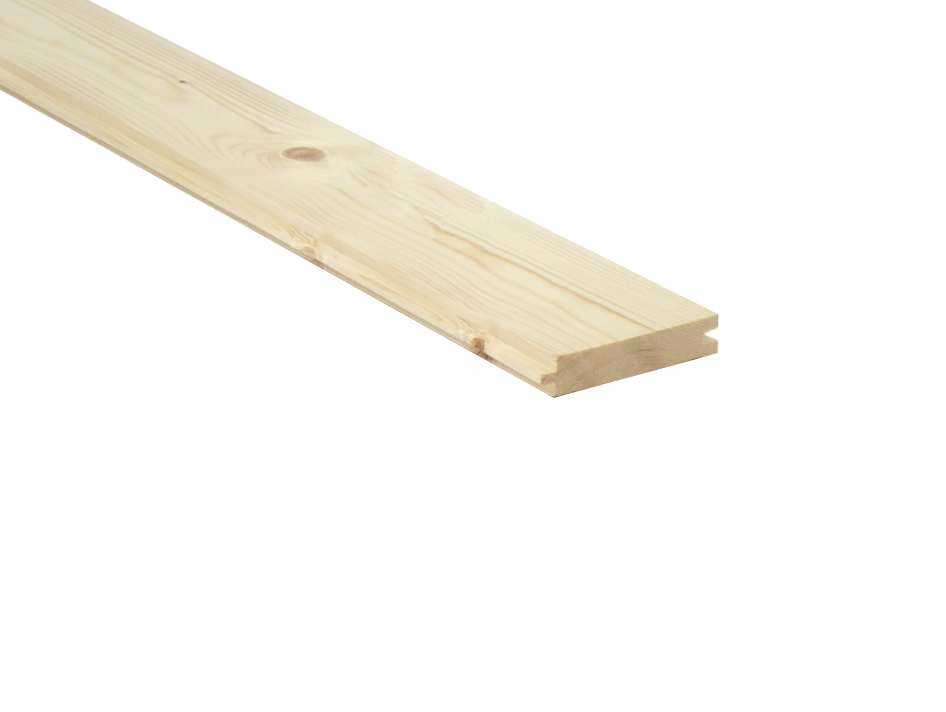
Each board is fitted using tongue and groove connections for a quick, seamless installation, ensuring a level surface that enhances both the look and feel of your log cabin. The additional thickness provides stability underfoot, making it the perfect choice for heavy-duty applications or year-round buildings.
Our flooring is also available in 18mm thickness to provide enhanced strength for heavier use.
Manufactured with the same care and attention to detail as our log cabins, this floor pack combines practicality and a modern finish. The natural grain of the spruce wood adds warmth and texture, while the solid construction ensures your log cabin remains strong and aesthetically pleasing for years to come.
If you’re ordering one of our log cabins, please select a flooring option directly on the product page to ensure that your flooring is included in the overall price of your log cabin.
Sizes available
18mm Log Cabin Floor Pack (2.5 m²)
Covers 2.5m²
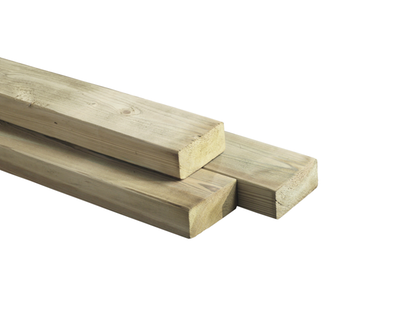
10 untreated floorboards measuring 18 x 96 x 2500mm
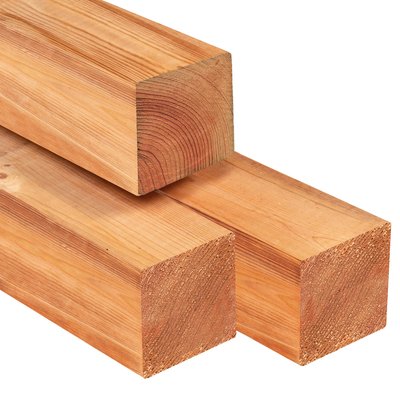
3 treated floor joists measuring 45 x 45 x 2000mm
2 untreated skirting boards 12 x 45 x 2000mm
26mm Log Cabin Floor Pack (1.62m²)
Covers 1.62m²
5 untreated floor boards measuring 27 x 145 x 2500mm
3 treated floor joists measuring 45 x 45 x 2000mm
2 untreated skirting boards measuring 12 x 45 x 2000mm
Essential Installation Instructions
Before You Start
Ensure your base is flat, level and capable of supporting the building.
A damp proof membrane (DPM) should be installed either beneath the base or beneath the floor structure.
Floor joists should be spaced evenly and no more than 350-400mm apart.
If your base is uneven, level the joists using suitable packers before fitting the floor.
Step 1 - Leave an Expansion Gap
Lay the floor as a floating floor and leave a 5-10mm gap around the entire perimeter of the building.
This gap allows the timber floor to naturally expand and contract throughout the year.
Use a spacer to keep the gap consistent around all edges.
Step 2 - Fit the Floorboards
Start laying the boards from one side of the building.
Push each board firmly into the previous board.
Use a wooden block and hammer to gently tap the boards together.
Ensure there are no gaps between individual floorboards.
The floorboards themselves should be fitted tightly together. The expansion gap is only required around the outside edge of the floor.
Step 3 - Fix the Floorboards
Where each floorboard crosses a floor joist:
Use two nails.
Position the nails close to the tongue and groove joint.
Continue fixing each board as you progress.
Using two nails helps prevent movement and reduces the risk of boards lifting or curling over time.
Step 4 - Fit the Final Boards
Leave the last few boards loose until the final board has been cut to size.
Once the final board is fitted:
Pull the remaining boards tightly together.
Fix them to the joists.
Ensure the perimeter expansion gap remains in place.
Step 5 - Fit the Skirting
The supplied skirting is designed to cover the expansion gap around the edge of the floor.
Fix the skirting to the cabin wall.
Do not fix the skirting to the floor.
This allows the floor to move naturally beneath the skirting.
Step 6 - Protect the Floor
Treat the floor as soon as possible after installation using a suitable floor treatment, oil or varnish.
This helps protect the timber and maintain its appearance.
Additional Information
Floor Direction
Floorboards can be laid in either direction.
Many customers prefer the boards running away from the doorway for appearance, but this is entirely personal preference.
Insulation
Rigid insulation boards can be installed between the floor joists.
We recommend 30-50mm insulation where required.
Heavy Loads
For workshops, machinery or particularly heavy items, consider:
Adding additional floor joists.
Reducing joist spacing.
Using thicker flooring where available.
The floor's strength comes from the base and supporting joists beneath it.
Alternative Bases
The supplied floor joists are designed for use on a flat and level concrete or paving base.
If using a timber frame base or pier foundation system, additional support joists may be required.
Professional Tips & Best Practice
Keeping Boards Tight
A flooring pull bar can be useful when fitting the final boards and helps achieve tighter joints.
Secret Nailing
For a cleaner appearance, floorboards can be "secret nailed".
This means the nail is driven through the tongue of the board at an angle so it is hidden when the next board is fitted.
Please note that the nails supplied are intended for face fixing and are not suitable for secret nailing.
Marking Joist Positions
Before laying the floor, lightly mark the wall where each floor joist is positioned.
Once several boards have been laid, use a chalk line between the marks to ensure all fixings remain perfectly straight.
Finishing Around Doors
The final board may require trimming around the door frame.
In some cases, trimming the bottom of the door architrave can provide a neater finish.
Moisture-Prone Buildings
For buildings exposed to higher moisture levels, such as hot tub cabins:
Treat both sides of the floorboards before installation.
Ensure a suitable damp proof membrane is present.
Double-nailing each board is particularly important.
Treating the Underside
Where there is any concern regarding moisture beneath the building, treating the underside of the floorboards before installation provides additional protection.
Working as a Team
Flooring installation is often easier with two people:
One person positions and tightens the boards.
The second person fixes them into place.
This helps maintain tight joints and speeds up installation.
Creating a Professional Finish
Mitred 45° skirting corners usually provide the neatest appearance.
Most mitre saws and hand mitre boxes can be set to 45° for this purpose.
Using Offcuts
Timber offcuts can often be used for:
Packing and levelling joists.
Raising door frames where required.
Additional trimming around the building.
This helps minimise waste and can solve many small installation challenges.